

On March 4, 2024, the program announced its latest round of selected projects. Among them, the project "Health Promotion Assistant for Extensive Reading of Taiwan Research," led by Group Leader Chih-Jen Tsai of the Precision Health Research Center at Asia University, emerged as a standout among numerous applicants.
The core objective of this project is to utilize AI technology to organize and collect highly transparent and credible health promotion materials published by medical institutions across Taiwan, encompassing multimodal information such as text, images, and videos. By employing advanced GPT-4 and Gemini technologies, the project will implement high-quality data filtering mechanisms to refine reusable, high-quality open-source datasets, which will subsequently be used to train various open-source Large Language Models (LLMs).
Group Leader Chih-Jen Tsai stated: “Our goal is not just for today, but for the future. By establishing a high-quality, reliable open-source dataset, we hope to contribute to the development of Traditional Chinese AI models and advance health promotion research in Taiwan and globally.”
The implementation of the project will proceed in stages. First, the team will conduct extensive web searches of medical institutions across Taiwan to identify valid URLs. Subsequently, the code will be adjusted based on webpage structures to automatically download health education-related information, including text, images, videos, and their sources. The completion of this step will lay a solid foundation for subsequent data analysis and organization.
Next, utilizing the advanced APIs of GPT-4 and Gemini, the team will perform deep analysis of the collected data to extract essential content and create detailed supplementary explanations, summaries, or conclusions. This process will not only enhance the usability and value of the data but also ensure that the final generated dataset meets the highest standards of quality and reliability.
Ultimately, the project will generate a multimodal dataset required for a MiniGPT-4 multimodal large language model that complies with open-source specifications. There are plans to share this publicly for use by g0v Zero Hour School as well as a wide range of researchers and developers. This will not only accelerate research progress in related fields but also foster innovation and development in health promotion applications.
Group Leader Chih-Jen Tsai emphasized that the success of this project will be a major milestone in Taiwan's AI research and development. Through this open-source sharing approach, the circulation of information and the accumulation of knowledge can be greatly facilitated, thereby driving the progress of society as a whole.
The head of the Traditional Chinese AI Open Source Practice Program at g0v Zero Hour School also expressed high expectations for the "Health Promotion Assistant for Extensive Reading of Taiwan Research" project, believing its final results will have a profound impact on improving public health, advancing AI technology, and promoting the spread of open-source culture.
As the program is further implemented, we look forward to the "Health Promotion Assistant for Extensive Reading of Taiwan Research" bringing more innovation and breakthroughs to the fields of health promotion and AI research in Taiwan and worldwide.
As this project progresses, the public will have the opportunity to witness the immense potential and value of AI technology in the field of health promotion. Furthermore, the successful implementation of the "Health Promotion Assistant for Extensive Reading of Taiwan Research" project will provide an important reference template for other researchers and developers, demonstrating how to effectively utilize open-source LLMs and multimodal datasets to solve practical problems, particularly in the field of public health.
This project is not merely a demonstration of technology, but a commitment to social responsibility. By opening these resources to the public, the project team hopes to inspire more people to participate in research on health promotion and AI technology, thereby jointly promoting social health and well-being.
It is worth mentioning that the open-source nature of the project will significantly lower the barrier to entry, allowing researchers from both academia and industry, as well as the general public interested in AI and health promotion, to easily access and utilize these resources for research and development. This will not only facilitate cross-disciplinary exchange and cooperation but also accelerate the pace of innovation, providing new ideas and solutions for solving global health issues.
With the progress of the project and the continuous accumulation of results, we have reason to believe that the "Health Promotion Assistant for Extensive Reading of Taiwan Research" will become an important milestone in the field of health promotion in Taiwan and globally. It will not only push the research and practice of health promotion to a higher level but also make a positive contribution to the well-being of all humanity.
We look forward to the future development of this project and believe it will bring us a healthier and brighter tomorrow.
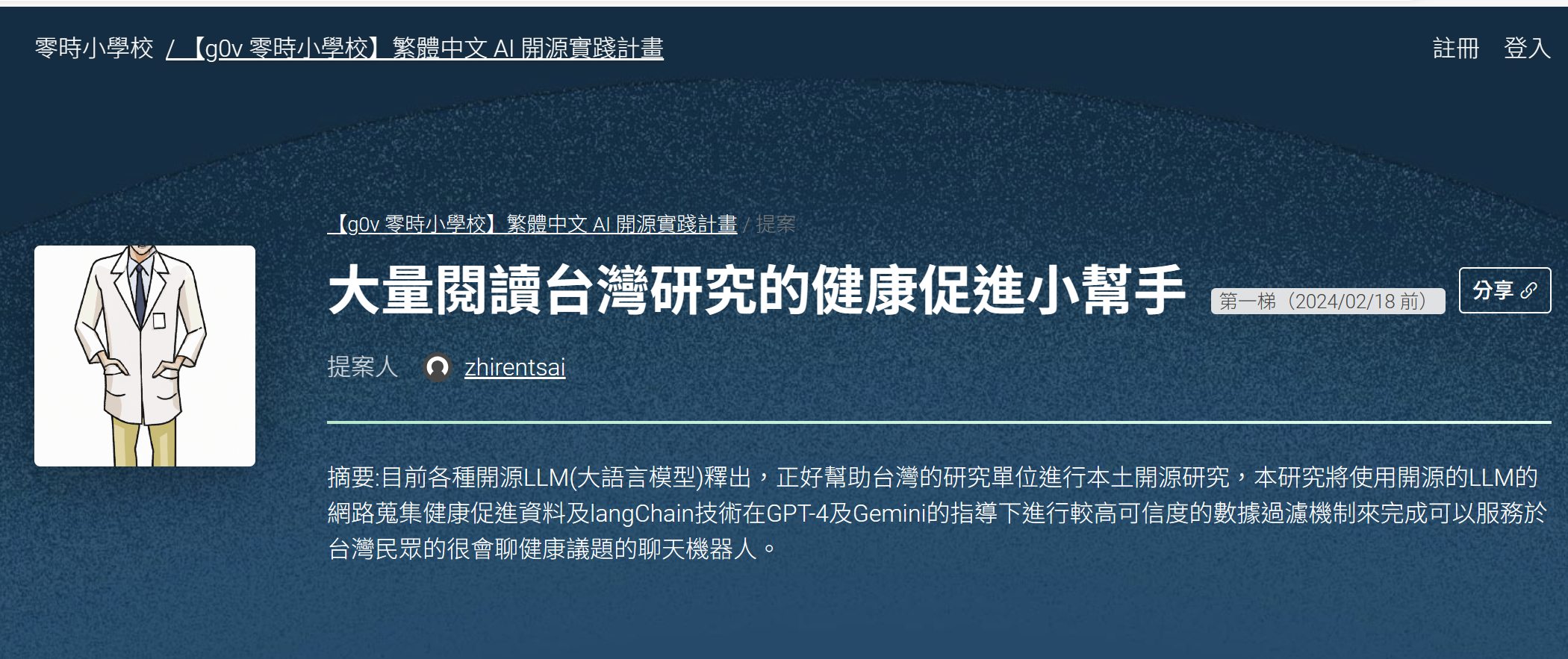
Figure 1: Health Promotion Assistant for Extensive Reading of Taiwan Research