

Presided over by Distinguished Professor and Department Chair Ju-Ming Liao of the Department of Psychology at Asia University, the lecture focused specifically on how multimodal large language models integrate different types of data (such as images, videos, and statistical data) to conduct psychological research, thereby advancing the development of interdisciplinary research.
Section Chief Chih-Jen Tsai began by introducing the application of multimodal large language models in analyzing images of handwritten text, emphasizing the relationship between handwriting style and an individual's current psychological state. By analyzing factors such as stroke intensity, font size, writing speed, and clarity of handwriting, this technology can reveal psychological states including emotional status, personality traits, and stress levels.
Next, Section Chief Tsai turned to another innovative application—utilizing video analysis of walking gait to explore an individual's psychological state. He detailed how walking speed, stride rhythm, posture, and gestures reflect a person's emotions and psychological condition, noting that this research holds significant practical application value for the fields of clinical psychology and sports psychology.
Finally, Section Chief Chih-Jen Tsai shared a method of inputting two-hour heart rate data statistical histograms from high-risk smartphone addiction groups into a large language model along with other multimodal data to train the model to reach a consensus result on whether an individual belongs to a high-risk group. He emphasized that by combining heart rate statistical histograms with other physiological and behavioral data, multimodal large language models can provide a novel way to identify individuals who may face the risk of smartphone addiction at an early stage.
Section Chief Chih-Jen Tsai's lecture not only demonstrated the importance of interdisciplinary collaboration but also proposed new ideas for innovation in psychological research methods. He pointed out that while traditional psychological research relies on questionnaires and face-to-face interviews, the application of multimodal large language models opens a new path for psychological state analysis using technological means, which is of great significance for the early detection and intervention of mental health issues.
Following the lecture, the faculty and students of the Department of Psychology at Asia University expressed high interest in the applications of multimodal large language models shared by Section Chief Chih-Jen Tsai and engaged in a heated discussion on how to apply this technology to various research areas within psychology. Professor Ju-Ming Liao stated that the Department of Psychology at Asia University will continue to promote interdisciplinary cooperation and explore more possibilities of combining technology with psychology to foster innovative development in psychological research and practice.
Section Chief Chih-Jen Tsai's presentation provided experts and students in the field of psychology with a new perspective on utilizing advanced technology for research and paved a new way for the cross-fusion of psychology and other disciplines. With the continuous advancement of technology, it is expected that more similar innovative research methods will be developed and applied in the future, bringing more possibilities to the field of mental health.
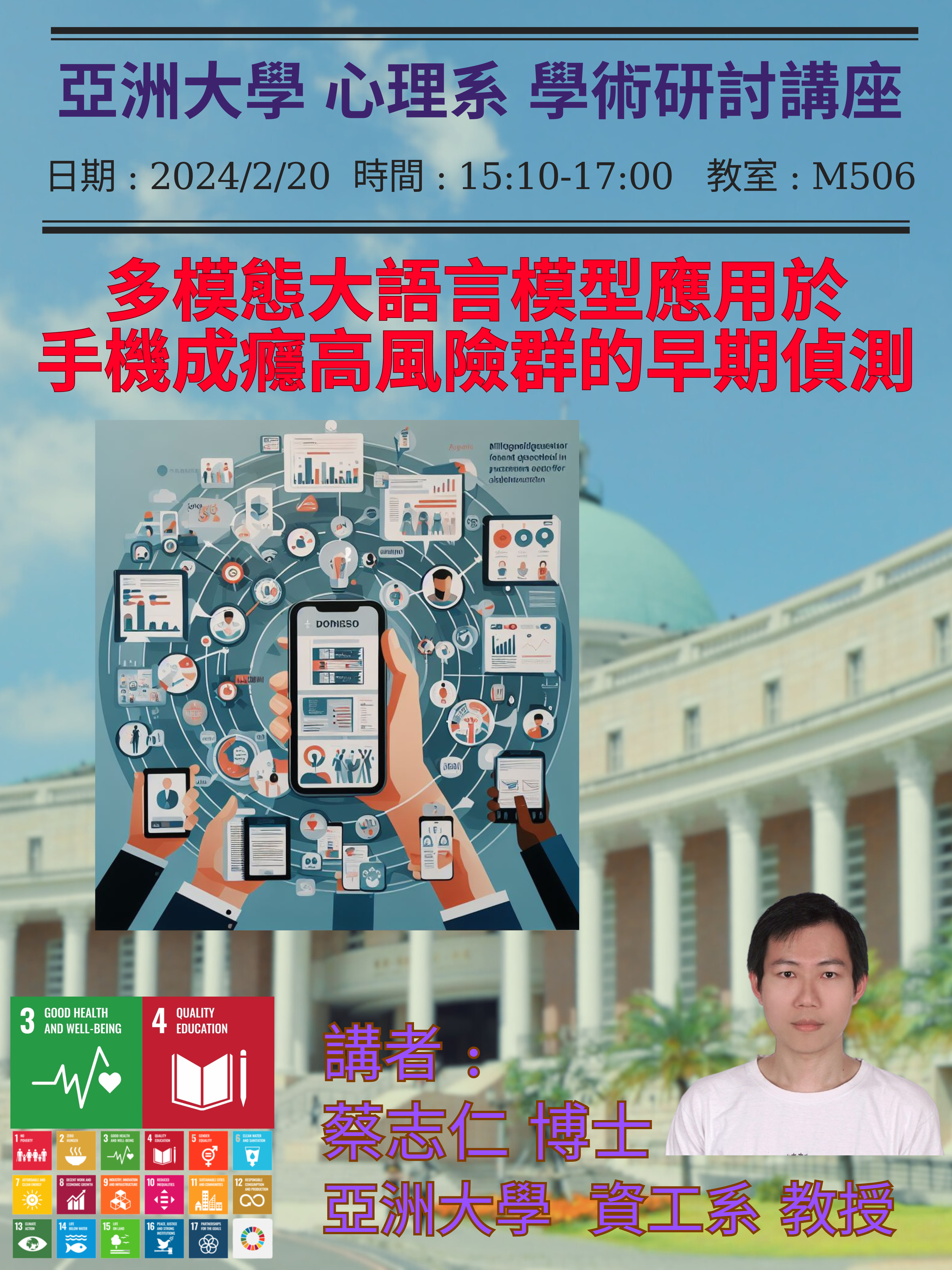
Figure 1. Academic Seminar Lecture, Department of Psychology, Asia University
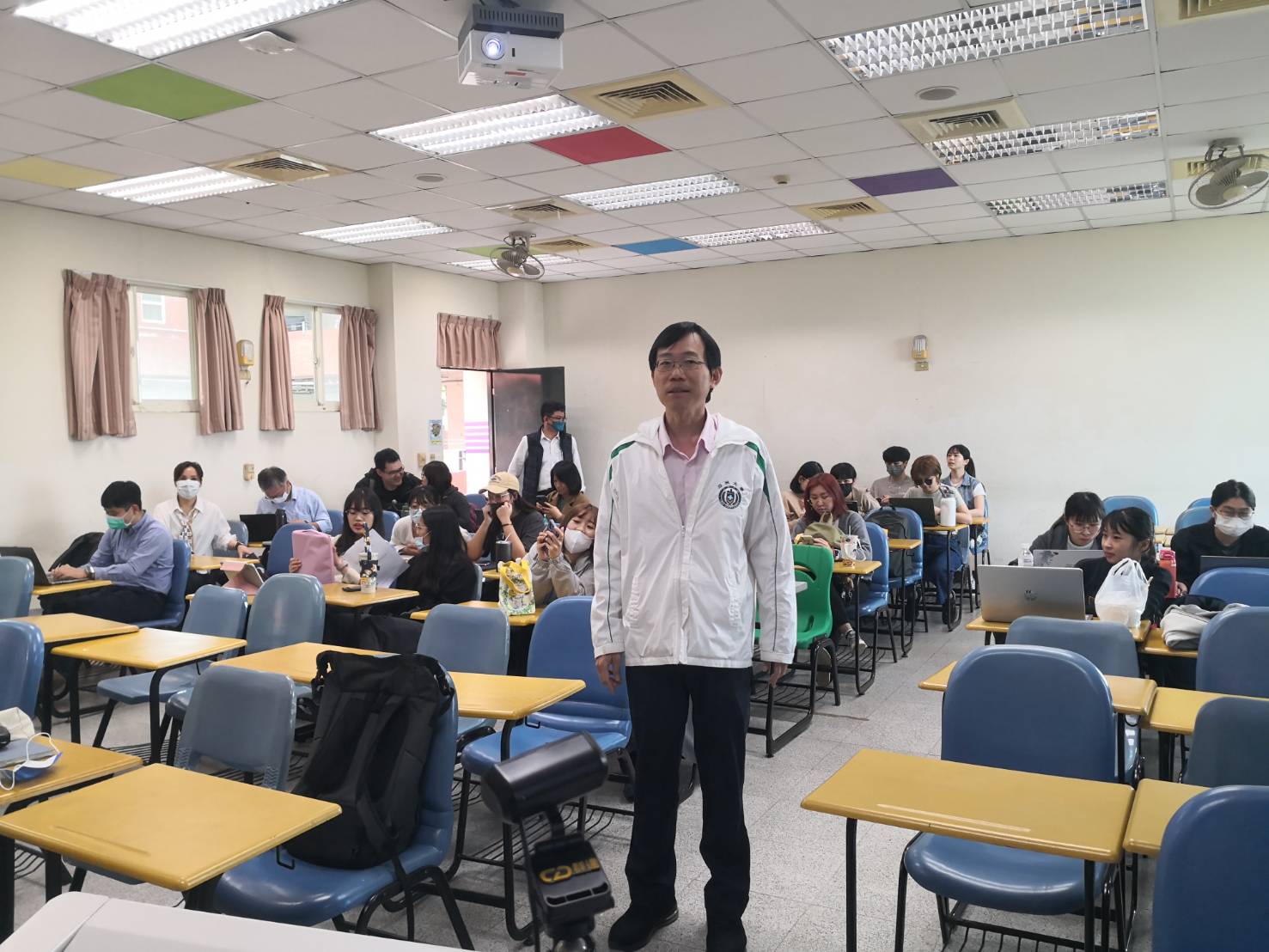
Figure 2. Group photo at the scene
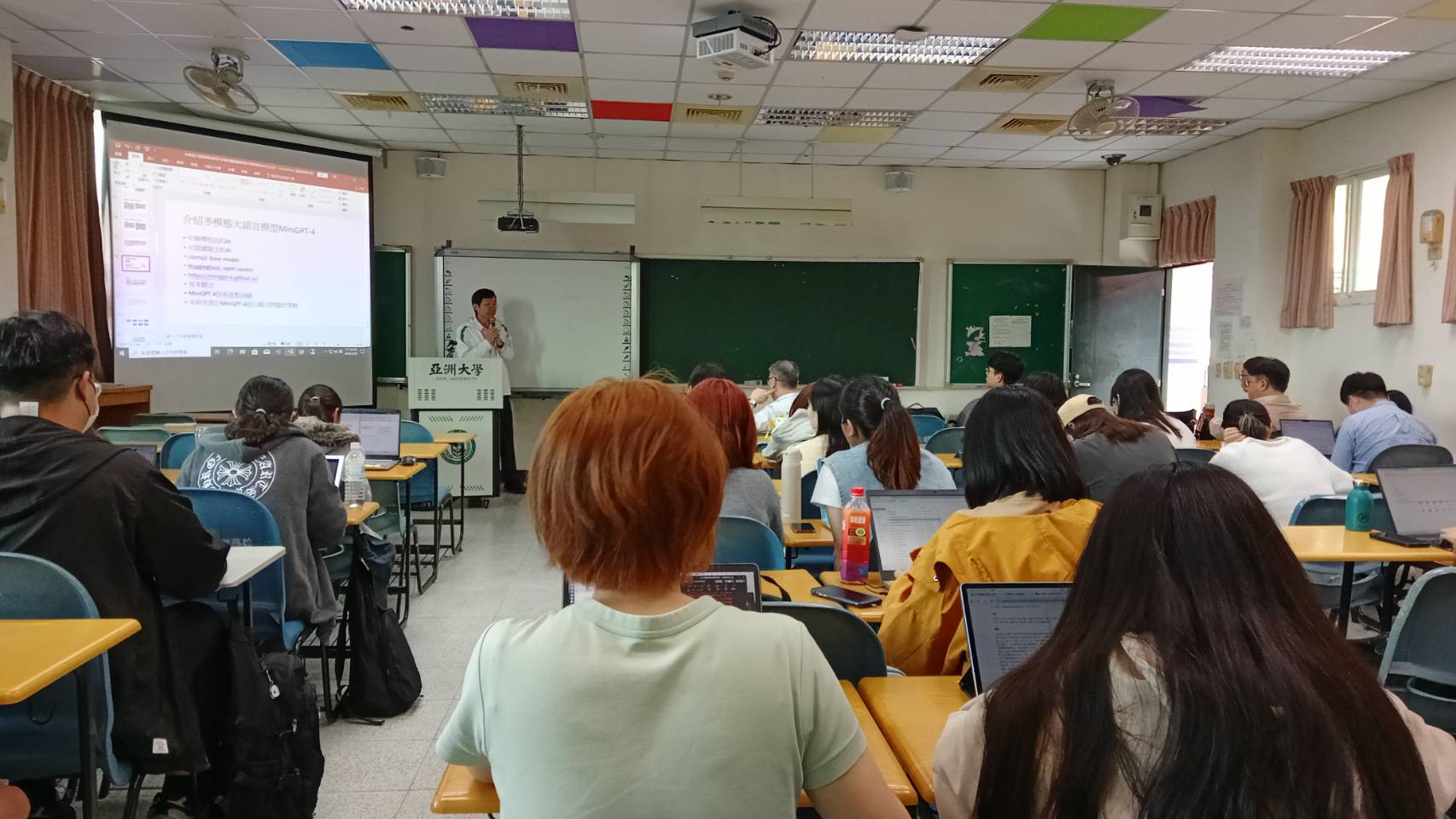
Figure 3. Conference scene